
Locations
Deponia locations and world guide — from the trash-heap town of Kuvaq to the floating utopia of Elysium, with every landmark and hidden area mapped.
Introduction
The Locations hub maps the world of Deponia, from the trash-heap town of Kuvaq to the gleaming floating utopia of Elysium. The series' setting is one of its most memorable creations: an entire planet reduced to a vast garbage dump, where the rich live in a pristine city floating above the clouds while everyone else scrapes out a living in the mountains of trash below. Each game expands this world — the first game explores Kuvaq, the garbage mines, Port Fairee and the Lower Ascension Station; Chaos on Deponia roams further across the junkyard; and Goodbye Deponia reveals more of Elysium itself. This hub covers every major location across the trilogy, explains the social structure that makes Deponia's world satirical, and helps you navigate the areas you will visit in each chapter.
Key Locations Across the Trilogy
| Location | Region | Significance |
|---|---|---|
| Kuvaq | Junkyard surface | Rufus's hometown |
| Elysium | Floating city | Utopia of the rich |
| Port Fairee | Coastal junkyard | Harbor town |
| Lower Ascension Station | Launch site | Gate to Elysium |
| Garbage Mines | Underground | Resource tunnels |
Location Profiles
Kuvaq
Rufus's hometown and the opening setting of the trilogy — a ramshackle settlement built on mountains of trash dumped from Elysium, full of eccentric residents and rusted machinery. Understanding this area makes navigating the rest of the game dramatically easier when items send you back here.
Elysium
The floating utopia of the rich — pristine, luxurious and detached from the garbage planet below. Goal's home and Rufus's dream destination, central to the trilogy's satire. Understanding this area makes navigating the rest of the game dramatically easier when items send you back here.
Junkyard Planet
The vast garbage dump covering the entire surface of Deponia — both the setting's joke and its tragedy, hiding resources, communities, and centuries of Elysian waste. Understanding this area makes navigating the rest of the game dramatically easier when items send you back here.
Lower Ascension Station
The launch point where Rufus tries to reach the world above — the gateway between the junkyard surface and Elysium, and the site of the first game's climax. Understanding this area makes navigating the rest of the game dramatically easier when items send you back here.
Port Fairee
The harbor town where Captain Bozo and his trawler help Rufus — a maritime settlement on the junkyard coast, introducing one of the trilogy's most memorable allies. Understanding this area makes navigating the rest of the game dramatically easier when items send you back here.
Core Mechanics
Locations in Deponia are hand-painted scenes that function as puzzle containers — each chapter is set in a distinct area with a set of hotspots to interact with, and progress within the chapter is defined by solving the puzzles of that location. Navigating between areas is a core loop: the first game centers on finding a way off the planet from Kuvaq through the ascension infrastructure, while later games open up more of the map. The world's geography is satirical — the vertical divide between the trash-covered surface and the pristine floating Elysium is the series' central social metaphor. Many puzzles involve the environment itself: climbing garbage piles, operating machinery, or using the transport between areas. Understanding each location's layout and the items that can be found there is essential for solving the game's multi-chapter item chains.
Advantages
A location guide turns Deponia's sprawling hand-painted world into something navigable. The games are full of areas that look similar — mountains of garbage, rusted machinery, and ramshackle buildings — and it is easy to forget where a specific item or character lives. Our location profiles document what each area contains, which characters appear there, and what puzzles are solved there, so you always know where to return when an item from an earlier chapter becomes useful. The guide also explains the world's social geography, which enriches your understanding of the story's satire. For completionists, knowing the hidden areas and optional content in each location helps ensure nothing is missed.
Challenges
Deponia's world is deliberately chaotic, and that creates challenges for a location guide. The junkyard setting means many areas are visually similar, and the games sometimes reuse environmental assets in ways that make it hard to describe locations precisely. The geography also shifts between games — later entries in the trilogy take place in different parts of Deponia, and Elysium is only fully explorable in the later games. Some locations appear in optional or missable contexts, so a guide that relies on the main path may not cover every corner of the map. Our profiles focus on the areas that matter to the main story while noting the optional landmarks that completionists will want to explore.
Frequently Asked Questions
What is the world of Deponia?+
Where does Deponia take place?+
What is Elysium in Deponia?+
Quick Tips
Return to earlier locations when you get new items. Deponia's multi-chapter item chains often require using a newly acquired object on a hotspot in a previous area, so a location you completed can become relevant again — remember what each area contains. Keeping this location in mind while you explore will save you from getting lost in the visual chaos of the junkyard.
Use the middle-mouse hotspot highlighter in unfamiliar areas. Because the junkyard is visually dense, it is easy to miss interactive objects buried in the trash. The highlighter reveals every hotspot and is especially useful in new locations before you learn their layout. Keeping this location in mind while you explore will save you from getting lost in the visual chaos of the junkyard.
Track which characters live where. Each Deponia location has a small cast of residents, and puzzles often require returning to a specific person in a specific place. Knowing who is where saves you from wandering the entire map when an item needs to be delivered. Keeping this location in mind while you explore will save you from getting lost in the visual chaos of the junkyard.
Featured
Deponia Locations: World Map, Kuvaq, and Elysium Guide
Navigate Deponia's locations across the trash planet with this world map guide. Explore Kuvaq, Port Fairee, Ascension Station, and the floating city Elysium.

Deponia Elysium Explained: Reaching the Floating City
Understand Elysium's lore and how Rufus finally reaches it. This guide explains the Ascension Station, Kuvaq's role, and the path from trash planet to utopia.
Deponia Floating City: Lore, Ascension, and the Dump
Explore Elysium, the Deponia floating city that dumps garbage on the trash planet. Learn its history, the Ascension Station link, and why the rich abandoned it.
All Articles
Deponia Junkyard: Districts, Setting, and Organon HQ
Explore the vast Deponia junkyard planet, from Kuvaq's districts to the trash mountains. Learn about the Organon HQ and how citizens survive among the refuse.

Deponia Ruins: Sewer Secrets, Underground, and Landfill
Venture into Deponia's ruins, sewers, and underground passages. This guide reveals hidden secrets beneath the landfill and how citizens survive among the trash.
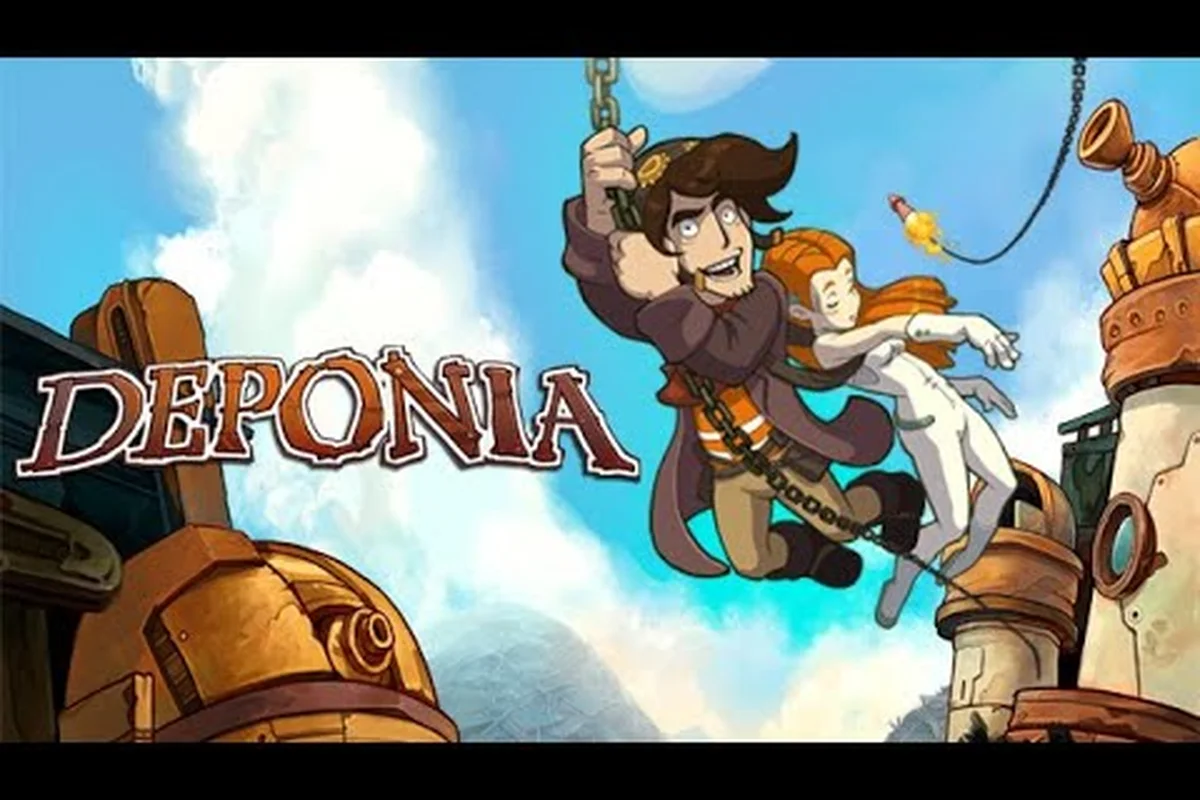
Deponia Secret Areas: Hidden Ruins and Elysium Society
Discover Deponia's secret areas across the junkyard, from underground sewers to Port Fairee's hidden districts. Learn where to find every hidden nook.
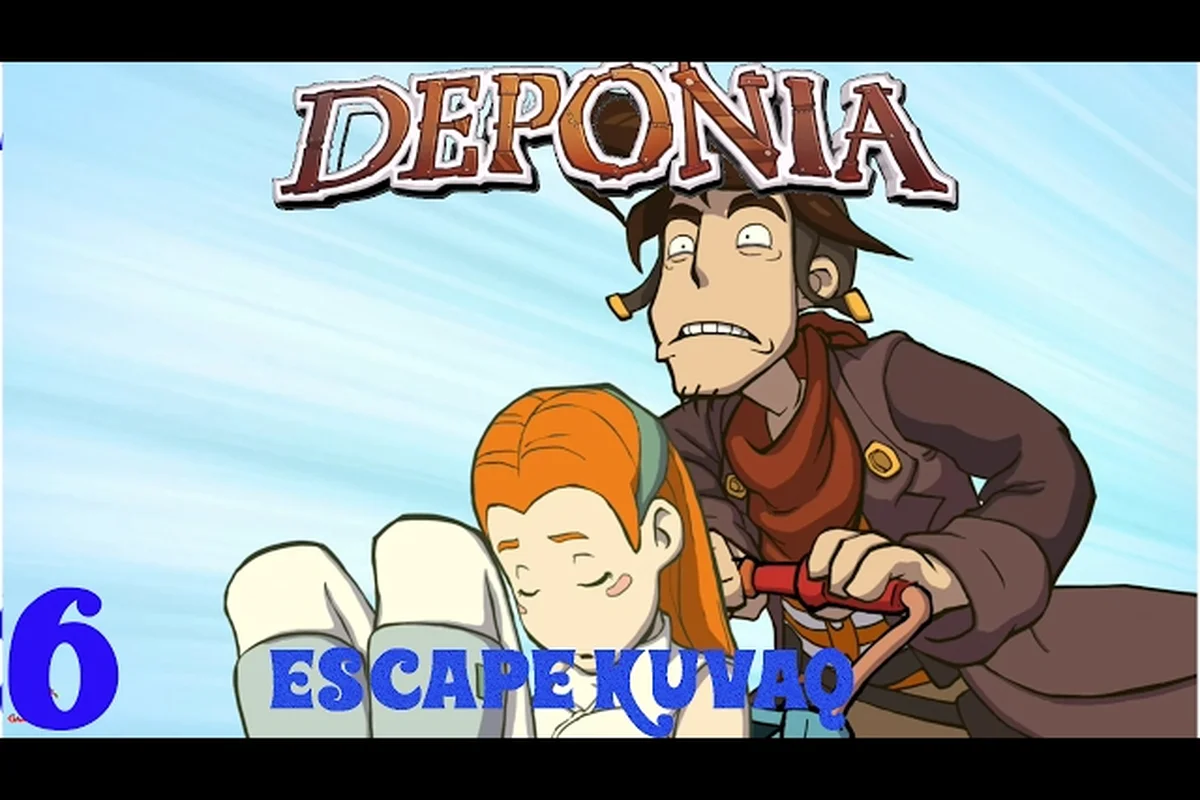
Deponia Utopia City: Elysium Society and All Locations
Tour Deponia's utopia city Elysium and its exclusive districts. Map every location on the trash planet, from Kuvaq to the floating citadel above.