
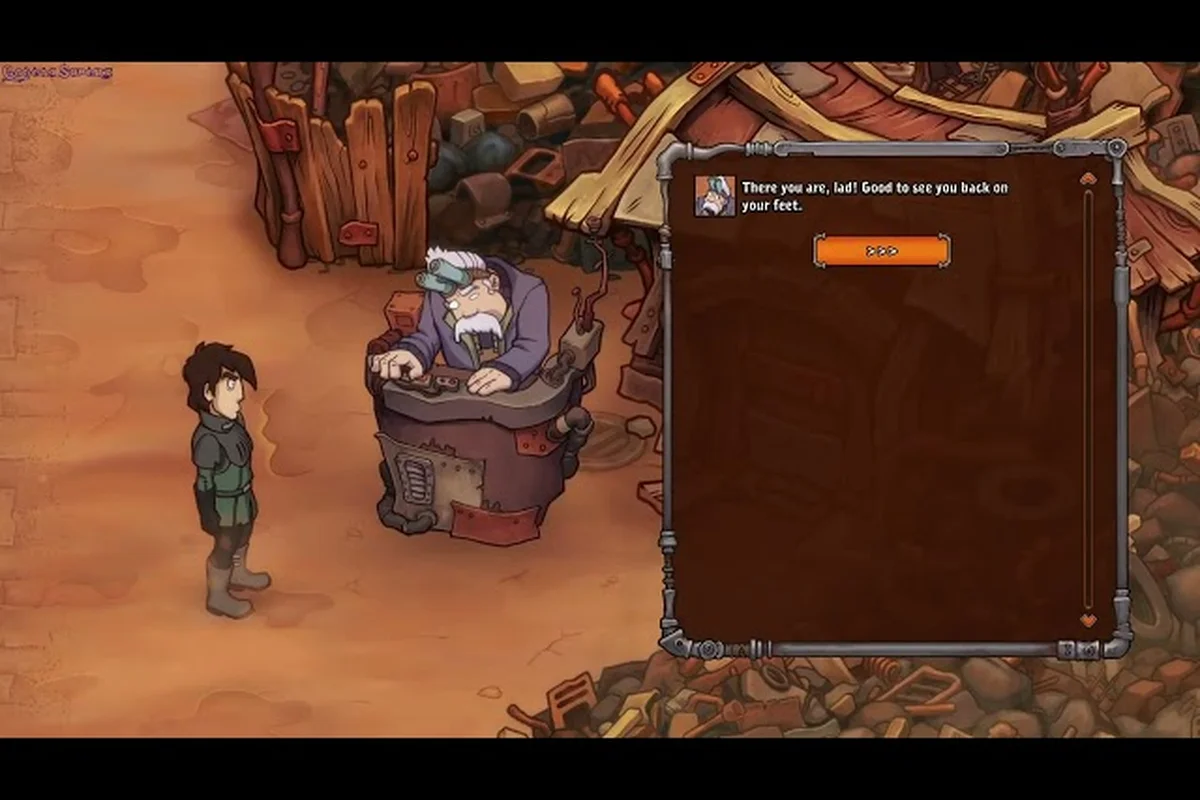
Surviving Deponia gameplay marks a radical departure from the puzzle-driven point-and-click adventures that defined Daedalic Entertainment's beloved trilogy. Instead of combining inventory items to solve environmental riddles, you now scavenge scrap, purify water, and fortify shelters across a wasteland that has grown even more hostile since the events of Deponia Doomsday. This shift matters because it transforms the franchise's signature wit into a survival framework where every decision about resource allocation carries real weight, and the upcoming release has already generated substantial buzz among fans who grew up with Rufus and his chaotic schemes.
The transition from adventure to survival-crafting genre is not merely cosmetic, as the core loop now revolves around gathering materials, constructing defensive structures, and managing a dwindling water supply while fending off mutated creatures and rival scavengers. Get the latest details on the Surviving Deponia trailer, confirmed release window, and what the playtest revealed about the game's ambitious scope, because knowing these mechanics before launch gives you a meaningful head start when the servers open. the latest details on the Surviving Deponia trailer, confirmed release window, and what the playtest revealed about the game's ambitious scope, because knowing these mechanics before launch gives you a meaningful head start when the servers open—and to fully exploit that edge, you'll want to pair that intel with our breakdown of core systems in Deponia Gameplay, which maps out how resource management and puzzle-solving actually interconnect once you're in the field.
The Survival Loop: Scavenge, Craft, and Thrive
The surviving deponia gameplay experience drops you into the trash planet seven years after the original trilogy's conclusion, with Elysium having crashed and a never-before-seen water shortage now threatening whatever remains of civilization. According to the official Surviving Deponia Steam page, the game combines exploration, crafting, base building, and combat against monsters, creatures, and hostile humans in an isometric, story-rich sandbox environment that retains the series' distinctive humor despite its darker premise.
The survival loop follows a familiar rhythm that genre veterans will recognize, but with enough Deponia-specific twists to keep things fresh: rather than a pure health bar, your primary resource is Clunky's Stamina, which drains both from sprinting across the junkyard and from carrying heavy scrap metal—forcing you to balance exploration speed against the risk of collapsing mid-chase. Unlike typical survival titles, food isn't the answer; you restore Stamina by repairing and using scattered Ulysses' contraptions, which double as both save points and environmental puzzles. This dual-purpose design means every rest stop is a strategic decision, not just a passive recharge, and it directly ties the loop to the game's signature humor and tinkering mechanics.
-
Scavenging expeditions send you across hand-crafted zones where junk piles, abandoned machinery, and wreckage from the Elysium crash yield valuable raw materials like metal scraps, circuit boards, and rubber tubing.
-
Water purification becomes your highest priority because the planet's aquifers have been contaminated, forcing you to build and maintain distillation units that require constant fuel input and periodic repairs.
-
Base construction lets you establish defensive compounds using salvaged materials, with walls, traps, and automated turrets available once you unlock the necessary blueprints through progression.
-
Combat encounters pit you against mutated trash-beasts and armed scavenger gangs, demanding both tactical positioning and resource-efficient weapon usage since ammunition is scarce.
The isometric camera perspective keeps the action readable while allowing the developers to pack dense environmental detail into each screen, and the sandbox-flavored approach means you can tackle objectives in multiple orders depending on your preferred playstyle. What makes this iteration particularly interesting is how the water shortage mechanic forces constant forward movement rather than allowing players to turtle in one location, because water sources dry up over time and force relocation to newly discovered areas.
Surviving Deponia Trailer Breakdown and Visual Design
AtomicTorch Studio's Isometric Sandbox Engine and Crafting Depth
Developed by AtomicTorch Studio, known for their work on CryoFall, Surviving Deponia leverages a proven isometric, sandbox-flavored engine. This is a significant departure from Daedalic's traditional adventure game DNA. The crafting system is not a simple menu; it's a tiered progression where you must first secure a water source before you can establish advanced crafting stations. For example, early-game tools require basic scrap, but mid-tier survival gear necessitates rare components found only in the crash debris of Elysium. This creates a clear progression gate: your base's defensive capabilities are directly tied to your crafting tier, which is bottlenecked by your water-scavenging efficiency.
Combat Mechanics: From Point-and-Click to Real-Time Survival
The combat in Surviving Deponia is a radical shift from the puzzle-based interactions of the original game. Instead of combining inventory items to solve a puzzle, you now engage in real-time combat against monsters, creatures, and hostile humans. The key mechanic is stamina management; a single dodge roll consumes a significant portion of your stamina bar, leaving you vulnerable to a follow-up attack. Unlike the original's hint system (hold middle mouse button), combat relies on reading enemy telegraphed attacks. For example, a hostile human with a melee weapon will raise their arm for a full second before striking, giving you a window to counter-attack. This timing-based system rewards patience and punishes button-mashing, a stark contrast to the methodical pacing of the 2012 adventure.
The Surviving Deponia trailer premiered during the Daedalic Days 2026 livestream on August 13, carrying the tagline "New Era - Same Trash" that perfectly encapsulates the tonal balance between grim survival and the series' trademark irreverence. The footage showcased roughly two minutes of gameplay across multiple biomes, confirming that the hand-drawn aesthetic has been translated into a richer, more detailed isometric presentation that still feels unmistakably Deponia.
Visually, the trailer revealed several key elements that distinguish this entry from both its predecessors and other survival games in the market: the signature hand-painted Deponia art style is now rendered with dynamic lighting and weather cycles that directly impact gameplay, such as sandstorms that reduce visibility and force players to rely on the new radar-based scavenging tool to locate scrap. This contrasts sharply with the grim, photorealistic aesthetic of competitors like Rust or Valheim, instead doubling down on the series' comedic tone—even the health bar is shaped like a rusty cog, and death animations trigger a witty, character-specific quip from the protagonist, Rufus, rather than a generic game-over screen. Furthermore, the UI is diegetically integrated into the world, with inventory slots appearing as pockets on Rufus's vest, a design choice that reinforces the game's identity as a narrative-driven survival experience rather than a purely mechanical one.
| Visual Element | Trailer Footage | Gameplay Implication |
|---|---|---|
| Character models | Exaggerated proportions retained | Combat readability remains clear |
| Environmental variety | Junkyard, desert, ruined city | Resource distribution varies by zone |
| Lighting system | Dynamic day-night cycle | Stealth opportunities at night |
| Weather effects | Sandstorms and acid rain | Environmental hazards affect base integrity |
| UI design | Minimalist inventory display | Quick crafting access during combat |
The isometric presentation allows for larger creature designs and more complex base structures than the original games could render, and the trailer's combat sequences demonstrated a weighty melee system complemented by ranged options like slingshots and improvised firearms. Community reactions on the official Daedalic YouTube channel have been overwhelmingly positive, with long-time fans expressing relief that the humor and visual identity survived the genre transition intact.
According to community reports from the Daedalic Days presentation, the trailer also teased a dynamic weather system that affects gameplay beyond mere aesthetics, as sandstorms reduce visibility and force players to seek shelter while acid rain gradually damages exposed structures. This environmental pressure adds another layer to the survival calculation, because you must now budget materials for both expansion and ongoing maintenance against natural wear.
Surviving Deponia Release Date and Development Timeline
The surviving deponia release date has been confirmed for 2026, though the developers have not yet specified an exact month or day, which suggests the project remains in active development with a target window rather than a locked launch date. The surviving deponia 2026 window places the game roughly fourteen years after the original Deponia launched in August 2012, giving Daedalic ample time to refine their survival mechanics and ensure the transition from adventure to survival-crafting feels polished rather than rushed.
Development is being handled jointly by Daedalic Entertainment and AtomicTorch Studio, a partnership that brings together the narrative expertise of the former with the technical survival-game experience of the latter. This collaboration is particularly significant because AtomicTorch previously worked on the isometric survival title CryoFall, which means the team already understands the genre's technical requirements and player expectations.
| Development Milestone | Status | Timeline |
|---|---|---|
| Initial announcement | Confirmed | Late 2025 |
| Surviving Deponia trailer premiere | Completed | August 13, 2026 |
| Closed playtest | Completed | August 2026 |
| Surviving Deponia beta | Pending | Late 2026 |
| Full surviving deponia release | Confirmed | 2026 |
The surviving deponia playtest that ran alongside the trailer reveal gave a select group of players early access to a vertical slice of the game, and their feedback has already influenced several design decisions according to developer comments. Players who participated reported that the build they tested included the opening hours of the campaign, a single base location, and a limited crafting tree, which suggests the full game will offer substantially more depth than what was demonstrated.
For those eager to experience the game before the official launch, the surviving deponia beta program is expected to open later in 2026, though Daedalic has not yet announced the exact registration process or eligibility requirements. Based on the studio's previous beta practices, interested players should monitor the official Steam page and Daedalic's social channels for announcements, because beta access codes are typically distributed through those platforms first.
Core Crafting Systems and Resource Management
The 2026 Water Shortage Mechanic and Its Impact on the Core Loop
The defining twist of Surviving Deponia is the never-before-seen water shortage that begins after Elysium's crash, seven years post-trilogy. This directly inverts the original Deponia's junk-filled, water-abundant setting. Unlike the 2012 point-and-click's left-click/right-click interaction model, this survival-crafting loop forces you to prioritize hydration management over scavenging. The scarcity mechanic acts as a timer, pushing you to explore further from your base for water sources, which in turn exposes you to more hostile humans and creatures. This creates a risk-reward cycle where water isn't just a resource—it's the primary driver of exploration and combat engagement.
Defensive Layouts Against Hostile Humans and Creatures
Base building in Surviving Deponia requires a layout that addresses two distinct threat types: roaming creatures and organized hostile human raiders. A key strategy is to create a "kill zone" using your crafting stations as bait. Place your water storage at the center of your base, surrounded by a perimeter of walls with a single, chokepoint entrance. This forces hostile humans, who pathfind intelligently, into a narrow corridor where you can use area-of-effect traps. In contrast, creatures are more erratic; they will attack walls randomly. Therefore, you must reinforce the outer perimeter with a second layer of walls, ensuring that a single creature breach doesn't compromise your entire water supply.
The crafting system in surviving deponia gameplay operates on a tiered progression that rewards exploration and experimentation, with basic recipes available from the start and advanced blueprints requiring specific materials or story progression to unlock. Your character begins with only the most rudimentary tools, such as a crude knife and a basic water collector, but the tech tree expands rapidly once you establish a secure base and begin accumulating surplus resources.
Resource management sits at the heart of the experience, and the water shortage mechanic creates constant tension between immediate needs and long-term planning: every crafting action—from boiling scrap for copper wiring to fueling the steam condenser—draws from the same dwindling reservoir, forcing you to choose between fixing a broken pipe now or saving enough to survive the next desert sandstorm. In the Surviving Deponia beta, players who hoarded water for the mid-game bolt fabrication often starved their algae farms, while those who spent freely on early hydration found themselves locked out of the geothermal pump upgrade by day 10. This scarcity loop is deliberate: the 2026 release date's core loop punishes both extremes, demanding you ration roughly 60% of your daily yield for emergencies while allocating the rest to incremental tech progression, a balance that the playtest's difficulty curve ruthlessly enforces.
-
Water is the most critical resource because it sustains your character's health and stamina regeneration, and purification units require both fuel and regular maintenance to function efficiently.
-
Scrap metal serves as the universal building material, used for everything from walls and floors to weapon upgrades and mechanical components.
-
Organic matter from plants and creatures provides food, medicine, and crafting ingredients for consumables that restore health or provide temporary buffs.
-
Electronic components are the rarest base resource, found primarily in Elysium wreckage and advanced machinery, and they unlock the most powerful crafting recipes.
The blueprint discovery system encourages thorough exploration because new recipes are often hidden in environmental storytelling elements, such as schematics tucked inside abandoned terminals or instructions scrawled on walls by previous survivors. This design choice rewards players who take the time to investigate their surroundings, which aligns with the series' adventure-game heritage even as the genre shifts toward survival mechanics.
According to community data from the playtest, the early-game crafting curve feels well-balanced, with players typically establishing their first functional base within two to three hours of playtime. The tool durability system adds another management layer, because weapons and tools degrade with use and must be repaired or replaced, which creates a constant demand for raw materials even after your infrastructure is established.
Base Building Strategies and Defensive Layouts
Base construction in surviving deponia gameplay offers substantial creative freedom, but the game's threat model rewards thoughtful defensive planning rather than purely aesthetic builds. The isometric perspective gives you a clear view of your compound's layout, making it easier to identify weak points in your defenses and adjust your design accordingly.
The building system uses a modular snap-based approach that allows for rapid construction once you have the necessary materials, and structures can be upgraded through multiple tiers that increase their durability and functionality. Prioritizing a tier-3 workshop early is critical, as it unlocks the advanced fabrication recipes required for reinforced plating, which effectively doubles a wall's hit points against the aggressive scavenger waves that spawn during the late-game survival phases.
| Building Tier | Materials Required | Durability Bonus | Unlocked Features |
|---|---|---|---|
| Tier 1 - Scrap | 20 scrap metal | Base value | Basic walls, simple workbench |
| Tier 2 - Reinforced | 40 scrap + 10 components | +50% durability | Storage crates, water storage |
| Tier 3 - Fortified | 80 scrap + 25 components | +100% durability | Automated turrets, reinforced doors |
The defensive layout strategy that emerged from playtest feedback emphasizes creating multiple layers of protection, with outer walls absorbing initial attacks while inner structures house your critical production facilities. Players reported that funneling enemy approaches through narrow choke points dramatically reduces the pressure on your defenses, because it forces attackers into predictable paths where traps and turrets can focus their fire.
Perimeter management becomes increasingly important as your base grows, because larger compounds attract more attention from raiders and mutated creatures alike. The game's threat notification system provides early warnings when hostiles approach, giving you time to prepare defenses or retreat to a safe position before combat begins.
For players who prefer a more mobile playstyle, the game also supports outpost building at resource-rich locations, allowing you to establish small forward bases that extend your operational range without committing to a single massive fortress. This approach spreads your resource investment across multiple locations but provides greater flexibility when responding to events across the map.
Combat Mechanics and Enemy Variety
Combat in surviving deponia gameplay blends real-time action with tactical resource management, requiring players to balance offensive pressure against the need to conserve ammunition and maintain weapon durability. The melee combat system uses a timing-based approach where well-executed attacks deal bonus damage and stagger enemies, while poorly timed swings leave you vulnerable to counterattacks.
The enemy roster includes a mix of mutated wildlife, hostile human factions, and environmental threats that each require different tactical approaches: the acid-spitting Grottox demand constant repositioning to avoid corrosion damage, while the Scrap Baron's raiders favor close-quarters ambushes that punish static defensive lines. Environmental hazards like the toxic fumaroles in the Rustbelt can be weaponized to thin out enemy waves, but they also restrict your escape routes, forcing you to balance aggressive pushes against sustainable resource management for crafting and healing.
-
Trash Stalkers are fast, lightly armored creatures that attack in packs, vulnerable to area-of-effect weapons but difficult to hit with slow, heavy attacks.
-
Junker Brutes are heavily armored melee fighters that absorb significant damage, best handled with ranged weapons or by exploiting their slow movement speed.
-
Scavenger Raiders are human enemies that use tactics and coordination, sometimes setting ambushes or retreating to heal when wounded.
-
Sand Wyrms burrow beneath the surface and emerge unexpectedly, requiring players to watch for ground disturbances and reposition constantly.
The weapon progression system offers distinct combat styles, with melee weapons favoring different trade-offs between speed, damage, and reach, while ranged options consume ammunition that must be crafted or scavenged. According to player reports from the playtest, the improvised weapon crafting system allows for surprising flexibility, because you can create specialized tools for specific situations rather than relying on a single all-purpose armament.
Environmental combat advantages play a significant role in tougher encounters, as explosive barrels, flammable pools, and collapsing structures can be used to deal massive damage to groups of enemies. The game encourages creative problem-solving in combat, which aligns with the series' adventure-game DNA and rewards players who think beyond straightforward attacks.
Frequently Asked Questions
What is the Surviving Deponia release date?
The surviving deponia release date is confirmed for 2026, though Daedalic Entertainment has not yet announced a specific month or day. The game is being developed in partnership with AtomicTorch Studio, and fans should monitor the official Steam page for the exact launch date announcement as development progresses.
How does Surviving Deponia gameplay differ from the original Deponia games?
Surviving Deponia gameplay shifts from point-and-click adventure puzzles to survival-crafting mechanics, featuring resource gathering, base building, and real-time combat. The game is set seven years after the trilogy's events, with Elysium crashed and a water shortage creating new survival challenges while retaining the series' signature humor and hand-drawn aesthetic.
Will there be a Surviving Deponia beta or playtest?
A surviving deponia playtest occurred in August 2026 alongside the trailer reveal, and a surviving deponia beta is expected to open later in 2026. Registration details have not been announced yet, so interested players should follow Daedalic's official channels and the Steam page for beta access announcements.
What platforms will Surviving Deponia be available on?
The game is confirmed for PC via Steam, where the store page is already live for wishlisting. Additional platform announcements have not been made yet, but given the original trilogy's availability on multiple platforms, console versions may be announced closer to the surviving deponia release date.
Is Surviving Deponia a direct sequel to the original trilogy?
Yes. Surviving Deponia is a direct sequel, set seven years after the trilogy's conclusion with Elysium crashing into the planet. The narrative follows the resulting water shortage, but the gameplay shifts from point-and-click puzzles to isometric survival-crafting, base building, and combat against monsters and hostile humans.